It is wonderful to see you again, dear friend!
Another week has passed and another portion of Tolkien’s works has yet again captured my heart. This section on Children in his On Fairy Stories essay had many insights that led to much contemplation of my own childhood, and that of my children.
I was reminded of the childlike faith that Jesus tells us we must have to enter the Kingdom of Heaven, and have been wholly justified in my pursuit of beauty, whimsy and joy as I make my way through these strange lands of adulthood.
This will be a chapter to remember! Let’s step in…

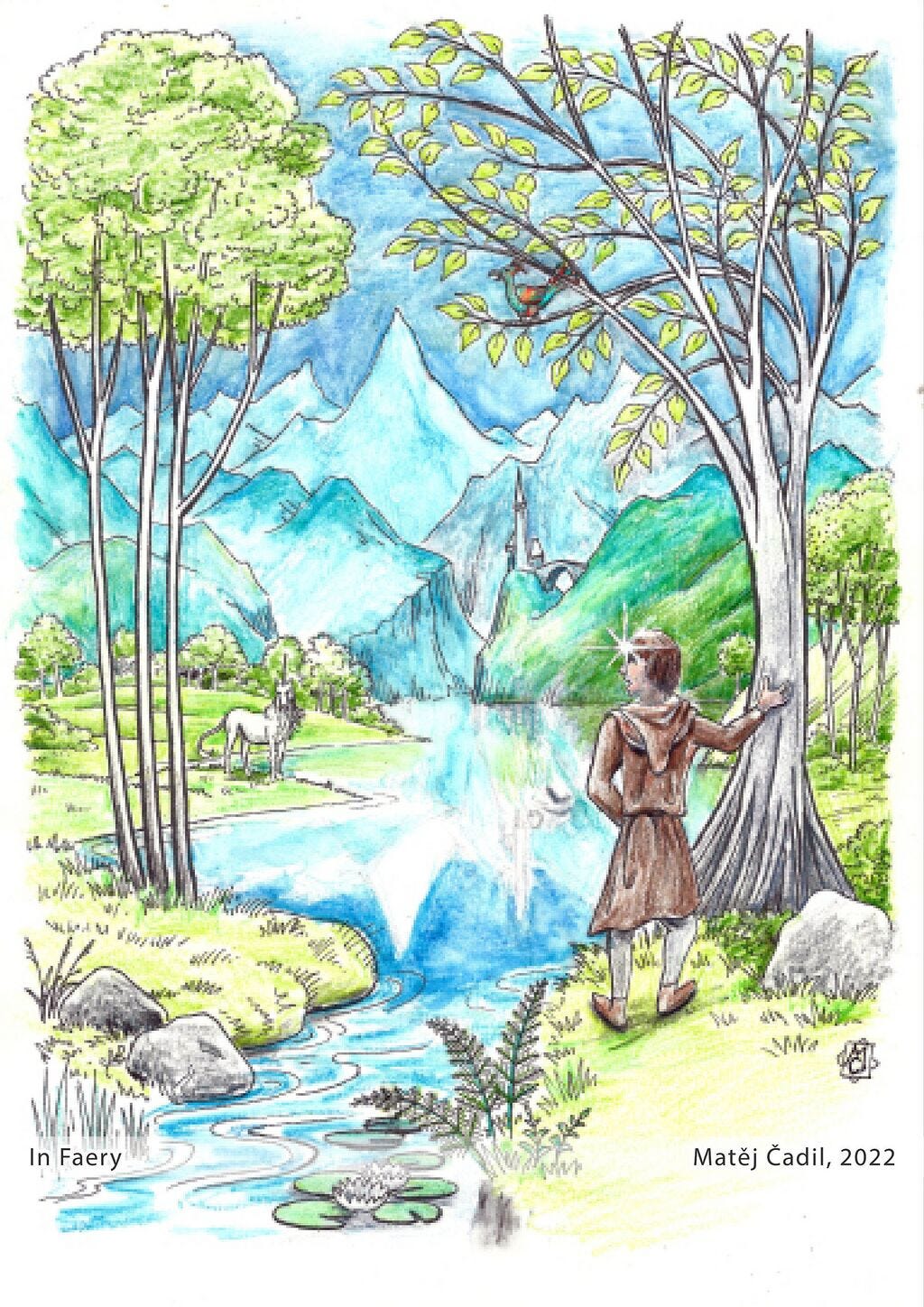
“Is there any essential connection between children and fairy-stories? Is there any call for comment, if an adult reads them for himself? Reads them as tales, that is, not studies them as curios. Adults are allowed to collect and study anything, even old theatre-programmes or paper bags.”
On Fairy Stories, sec. Children, J. R. R. Tolkien
I asked myself similar questions before I embarked on this grand task of reading through Tolkien’s works for the first time and documenting that journey here. I wondered if I was being immature in my adoration for these stories and wanting to understand them deeper. I argued with myself over the time I knew an adventure like this would take away from more important things. And I doubted that anyone would actually read or enjoy my thoughts on what seemed like a silly journey for someone with more than a few decades under their woolly toes to start.
I am so glad that I stepped out onto this road, though, for you have met me here with arms wide open and have walked with me these last two months, sharing encouragement and kind words I never knew were waiting for me on the other side of choosing to begin.
There is an element of Tolkien’s stories through the eyes of Peter Jackson that healed parts of me that needed it desperately. And as I gaze back on the healing that has taken place in my life, Tolkien’s words in this section are reaching their roots into the secret places of my heart; affirming things I already knew, and revealing others that have laid dormant for so long I had forgotten they existed. That element, as I have come to understand in this section can be summed up in one word—belief.
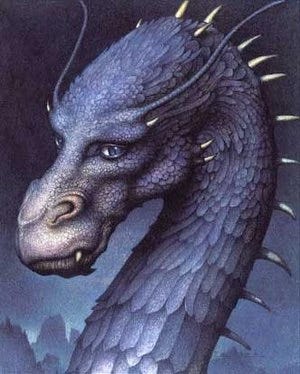
As I shared in my last episode, Saphira was a beacon in my childhood days. My ultimate protector, my wisdom and my strength (as I had not yet been introduced to the One True and Living God). She was the grounding force I needed in the face of the tumult of the four walls I was trapped in. It was through the bond of Eragon and Saphira that I believed there were relationships other than (and better than) the only ones I had experienced. It was this realm of Faërie (although I didn’t know the name for it then) that showed me another world existed; another life was possible… and I craved it. I craved to leave and never return; to run away and find my own dragon who would love me in the way I should be loved, to protect me instead of humiliate me, to guide me instead of tripping me and then giving some reason as to why it was my fault and forcing me to fix something I didn’t break. I needed a Saphira, but Alagaësia was the only place I could find her—so I stayed.
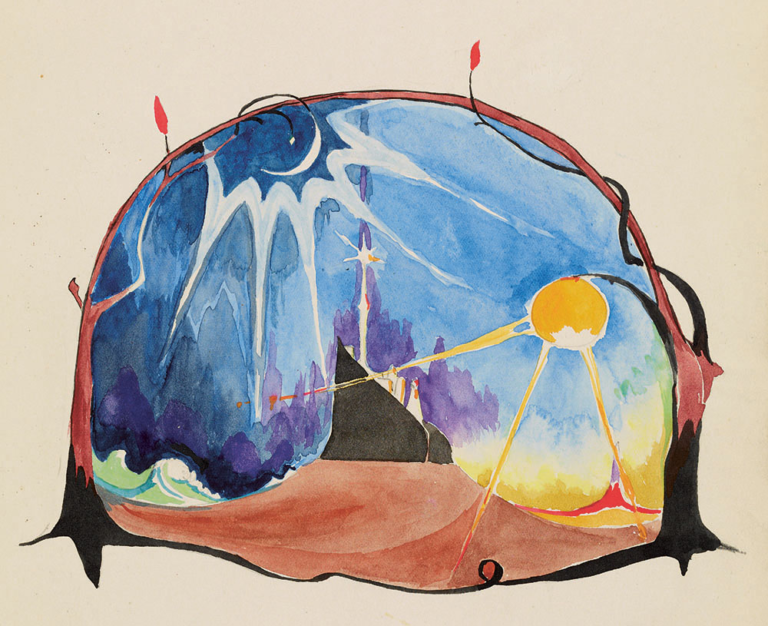
I am marinating on the concepts that Tolkien divulges in regarding belief, appetite for marvels and desire. On the one hand, belief and appetite for marvels leads to the desire to consume these stories, and on the other hand it is the other way around. Where the desire for fairy-stories increases the belief in them and the appetite for them. I think both are true, and perhaps are in a cyclical fashion with “desire” at the center and belief and appetite spurring the other along as the reader frequents the realm of Faërie… perhaps like this:
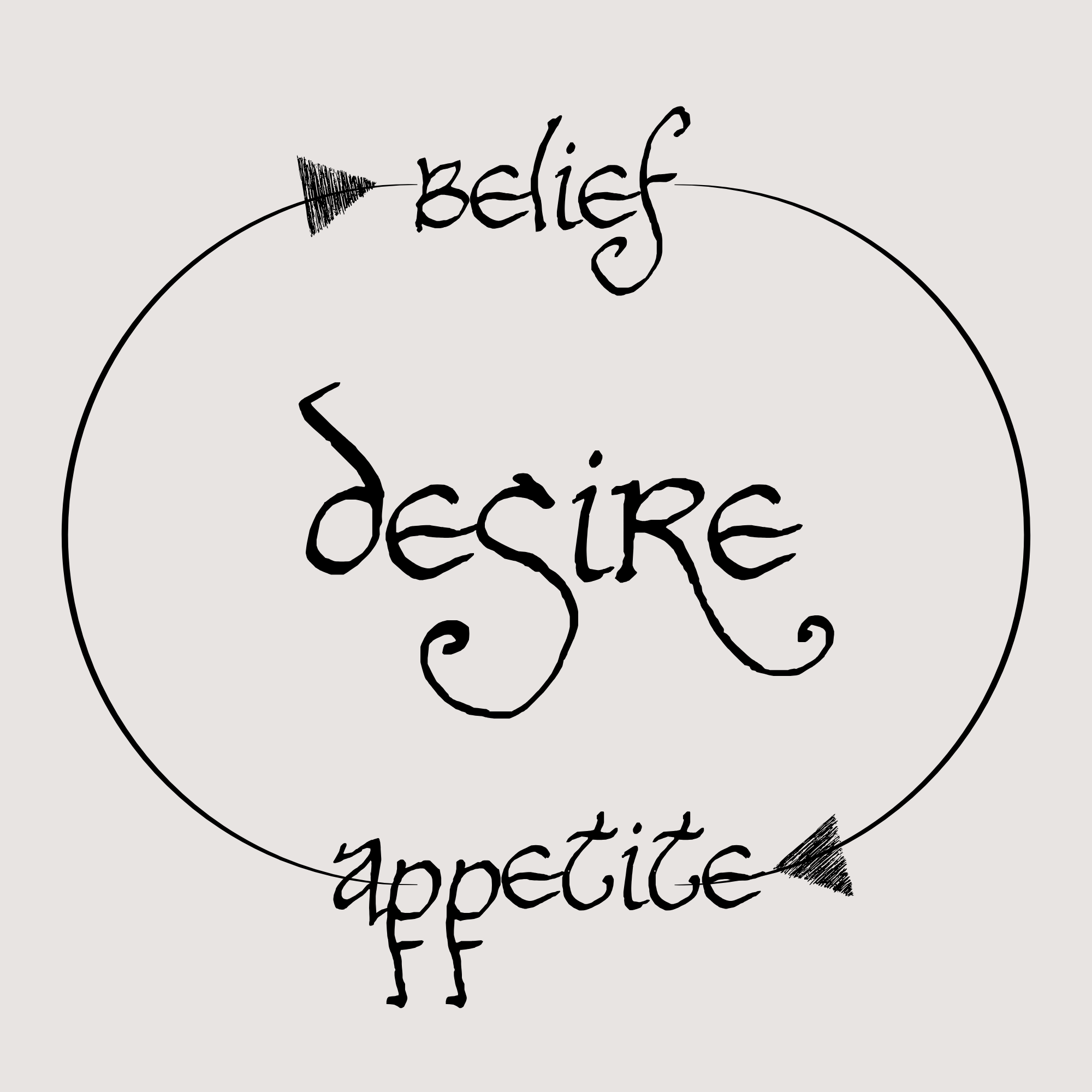
I am not sure… what are your thoughts? No matter which comes first, it is becoming plain to me through this section that without belief in the magic—or art—of the story, there is no story; only vain attempts by adults to read, tell or recall a story “for the sake of the children”; pretending to be invested in a Secondary World that in a disenchanted mind simply cannot exist, all so the children may “have fun” and the adult can claim they provided a “good” childhood for their little ones. The problem with this—that I have direct and personal experience with—is that if this is the approach of the adult, the child will fade into disenchantment much earlier in life than if they had become disenchanted of their own volition.
“Children are capable, or course, of literary belief, when the story-maker’s art is good enough to produce it. That state of mind has been called ‘willing suspension of disbelief’. But this does not seem to me a good description of what happens. What really happens is that the story maker proves a successful ‘sub-creator’. He makes a Secondary World from outside. If you are obliged, by kindliness or circumstance, to stay, then disbelief must be suspended (or stifled), otherwise listening and looking would become intolerable. But this suspension of disbelief is a substitute for the genuine thing, a subterfuge we use when condescending to games or make-believe, or when trying (more or less willingly) to find what virtue we can in the work of an art that has for us failed.”
On Fairy Stories, sec. Children, J. R. R. Tolkien
Here, Tolkien is referring to the one who authored the story, but I believe it also stands true for the one telling it. And although my mother read us books occasionally, there was no imagination in the house I grew up in except my own. I needed to “live in the ‘real world’” (I still don’t know what that means) and “get good grades so I could get a good job” and “don’t ever make a career out of my art because then I’ll be worthless in society” and all the other ways that my formative “teachers” used their breath to fog up my belief window.
The formative years are fragile, and the flippant admittance that none of it was real was most likely the cause of me never being interested in books or art or music (outside of band class in school) as a teenager. I have mentioned before that I was gifted a copy of The Hobbit when I was about fourteen, but never read it. My escapism then was boys, not books… but I digress.
I have entitled this episode “If I could go back… I wouldn’t.” for a couple of reasons: One, as I’m sure you’ve gathered, is because I would never want my worst enemy to face the childhood I had—why would I ever choose to go back to it?! And two, as bad as it was, I admit I would not be who I am today if not for every moment that played out divinely as it was meant to. I speak from a place of understanding now, but in the moment and in the years that followed I had rage issues that cost me more than I have room here to write. It is truly only by the grace of YHWH that I am alive, stable and have the nous to lift my hands to my Creator in praise and thanks for orchestrating every detail that has led me to this moment. I am healed, sober and am living proof that God uses even the darkest moments of life to show us His glory and, in His wisdom, lead us into others’ lives who need our story to be able to heal, too.
I am also convinced that had I begun reading any of Tolkien’s works sooner, they would not have had the same meaning as they did this year; a year of turnaround after decades of trials. I would have liked the stories, I’m sure, especially after having the visuals of Peter Jackson’s adaptation of The Lord of the Rings and The Hobbit to experience alongside the books, but without having gone through the hard things I would not have been able to see Bilbo’s journey to The Lonely Mountain and Back Again in the same way and have such appreciation for his courage in the face of many trials. I am convinced… I’m a Baggins.
As Tolkien lectures about the absurdity that fairy-stories are only for children, he makes his ultimate point clear—fairy stories are for whosoever will…
Whosoever will believe. Whosoever will step into the realm with childlike faith. Whosoever will care for the realm as if it is his home. Whosoever will defend justice. Whosoever will take up the tales—as they are, and not mollify them for the sake of avoiding hard truths—and pass them on, even (and especially) into “adulthood”.
Whosoever has ears, let him hear. Whosoever has eyes, let him see.
May we ever have a heart to receive these stories with the childlike faith that is needed to heal by them, and heal others with the re-telling of them.
In Jesus’ Name, Amen.
treasures from under the party tree
Step into a quiet corner of the Shire, where stories wander slowly, tea steeps warm, and little treasures await. When you join Under the Party Tree, on Substack you’ll receive gentle letters and reflections about my journey through Tolkien’s world, musings on slow living, and the small joys tucked into everyday life.
And now, monthly letters are here! Treasures From Under the Party Tree — whimsical letters and a fine art print sent straight to your hobbit mailbox. It’s a place to pause, savor, and discover wonder in the ordinary. Sign up to get the monthly letters and let’s journey through this life together, dear friend!